 English
  Spain
Spain  Deutsch
 GET A QUOTE

Logistics packaging not only protects products but also ensures efficient flow during transportation. In modern supply chains, the safety of goods is always a top priority. While standard equipment suffices for general logistics needs, specialized or high-value items—such as precision automotive components—require tailored solutions. When standard containers fall short, customized packaging provides the necessary protection. MEEYA PACK offers comprehensive packaging design services to meet complex supply chain requirements.
During the initial development phase, enterprise procurement teams typically review multiple design proposals. While several solutions may satisfy basic transport requirements, evaluating them requires balancing cost, functionality, and environmental impact. Overly expensive designs are eliminated early, leaving options that strike the optimal balance between performance and budget.
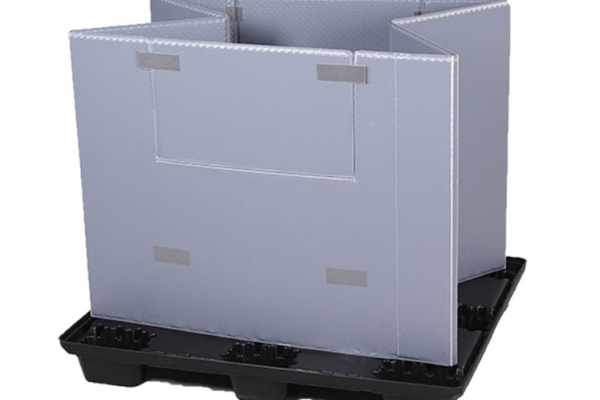
Customizing outer packaging begins with selecting the structural format, such as deciding between open pallet systems and enclosed pallet containers. When choosing pallet containers, companies must evaluate solid plastic pallet boxes against collapsible sleeve pack containers based on operational constraints.
Customizing solid plastic pallet boxes requires significant capital investment due to injection mold tooling costs for the base, walls, and lid. Solid pallet boxes offer extreme durability and rigidity, but high tooling costs make custom sizes feasible only for high-volume enterprise orders with substantial budgets. In contrast, customized sleeve packs offer a far more cost-effective alternative for tailored footprint dimensions. Custom outer packaging is typically required for large, heavy, or high-value industrial goods, including automotive engines, motor castings, and EV components.
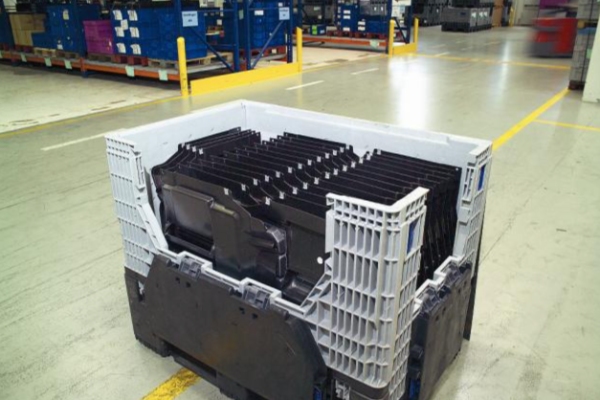
In practice, customization is most common within interior dunnage rather than outer containers. Compared to outer structural modifications, designing custom inner liners requires shorter development cycles and offers exceptional flexibility. By utilizing custom foam, plastic dividers, or textile inserts, businesses can pair tailored interior dunnage with standard outer containers like sleeve packs or heavy-duty pallet boxes.
This hybrid approach is ideal for smaller, high-density items packed in volume, such as plastic closures, electronic modules, and automotive trim pieces. The standardized outer shell maintains warehouse compatibility, while the customized interior prevents component contact and transit damage.
Standardized logistics packaging remains the preferred default across enterprise supply chains. Uniform containers streamline handling, maximize transport cube utilization, and simplify warehouse stacking. However, given the diversity of manufactured goods, rigid adherence to standard sizes is not always practical. Where custom packaging is necessary, procurement teams should prioritize recyclable materials and lean design to minimize waste while ensuring absolute product protection.