 English
  Spain
Spain  Deutsch
 GET A QUOTE

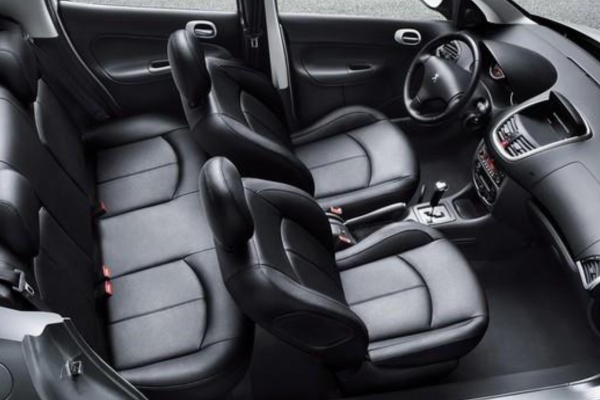
Automotive seat systems are complex assemblies comprising structural metal frames, plastic hardware, foam cushioning, and fabric or leather trim covers. Because fully assembled seats occupy significant spatial volume, component manufacturers typically transport individual seat parts in high volume batches directly to vehicle assembly plants. Delivering these diverse components safely requires standardized outer containers paired with targeted internal protection.
While universal outer containers like collapsible sleeve pack boxes and heavy duty plastic pallet boxes provide a standardized shipping footprint, internal arrangements must be customized for each component category. Different seat parts present unique handling risks during transit and require dedicated protective packaging configurations.
Headrests and Trim Covers
Textile and leather headrests withstand physical compression well, but they are highly vulnerable to punctures, snags, and surface abrasions. Packaging for soft trim items must feature smooth internal container walls, snag free protective linings, and clean surface covers to avoid damaging delicate materials.
Metal Hardware and Precision Recliners
Recliners, adjusters, locking mechanisms, and slide rails are rigid metal components. However, heavy vibration and severe physical impact can cause subtle structural micro deformations. In precision mechanical parts, even minor warping prevents proper fitment during final vehicle assembly. Protective packaging for metal hardware requires shock absorbing trays or segmented compartments to eliminate part to part contact.
Integrated Dunnage Systems for Hybrid Assemblies
Because seat production involves a mix of soft textiles, heavy structural metals, and molded plastic parts, tailored dunnage strategies are essential. Reusable fabric dividers, thermoformed plastic trays, and specialized foam inserts keep individual components organized and completely protected against shock during multi-tier transport.