Adhering to the service tenet of "Integrity, Innovation, Harmony, and Win-win", We have established a complete one-stop procurement and comprehensive solution service system.
Rigid Plastic Containers vs Collapsible Bulk Boxes
Logistics transport relies on both rigid solid wall containers plus collapsible bulk boxes. Each container design serves specific operational requirements within modern supply chains. Understanding the performance differences across rigid plus foldable units helps procurement teams pick the right solution.
Strengths of Rigid One Piece Containers
Solid plastic containers manufactured via single piece injection molding offer maximum structural integrity. Rigid walls withstand heavy impacts plus continuous mechanical tipping during bulk material discharge. Solid containers also feature seamless construction which prevents liquid leaks. When applications require extreme load strength plus liquid containment solid containers provide superior service life.
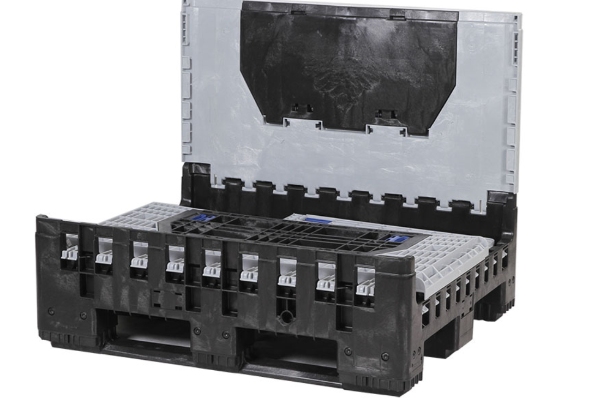
Advantages of Collapsible Logistics Containers
Foldable pallet boxes plus sleeve containers excel at reducing return logistics expenses. Empty collapsible units fold flat allowing freight trucks to haul significantly more empty containers per return journey. Additionally collapsible units feature modular components. If a sleeve wall or latch breaks operators can replace individual parts instead of scrapping the whole container.
Modern logistics prioritizes high efficiency space savings plus overall cost reduction. Collapsible containers address these needs directly by minimizing empty return freight volumes plus reducing warehouse floor space consumption. While rigid containers remain essential for extreme physical demands collapsible packaging represents the main growth direction for high volume supply chains.