 English
  Spain
Spain  Deutsch
 GET A QUOTE
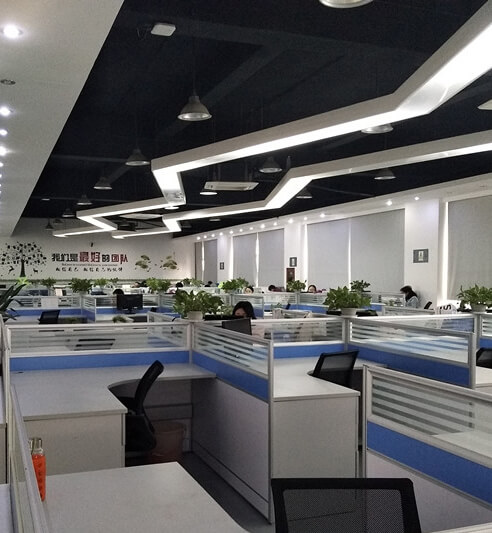

Driven by sustainability mandates and clear economic benefits, industrial enterprises are increasingly adopting returnable plastic containers for warehousing and freight operations. As demand for reusable logistics packaging grows, optimizing warehouse workflows around these systems is crucial. While plastic containers offer superior durability, implementing correct operational procedures ensures maximum safety, efficiency, and longevity.
Heavy-duty pallet boxes and collapsible sleeve packs are engineered for stable, high-density stacking. In standard warehouse environments, compatible container systems can be safely stacked multiple units high, fully utilizing vertical ceiling clearance to save valuable floor space. Stacking containers securely maximizes storage capacity while maintaining structural stability. Utilizing forklifts or specialized handling equipment further improves safety and efficiency during vertical positioning.
Safety and accessibility must remain top priorities in warehouse management. Main traffic corridors and designated safety aisles must be kept clear of obstructions at all times. Because plastic turnover boxes are designed for active movement rather than static long-term storage, high-turnover inventory should be positioned alongside primary transport channels rather than deep within storage bays. This layout streamlines forklift access, accelerates dispatch, and prevents staging bottlenecks.
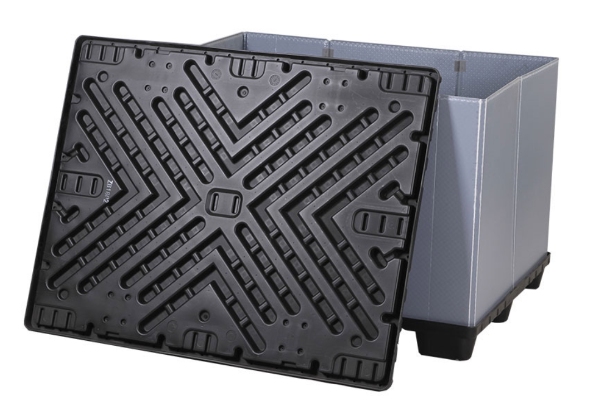
Standardizing warehouse layouts based on container types improves inventory control. Products within the same batch or SKU category are typically allocated to identical plastic containers or sleeve packs. Grouping identical container dimensions into dedicated warehouse zones simplifies stacking configurations, improves visual inventory tracking, and speeds up picking operations.
Although industrial plastic containers and sleeve packs feature high static load capacities, prolonged continuous pressure on bottom containers can cause structural fatigue over extended storage periods. For long-term warehousing scenarios, operational teams should implement container rotation routines. Periodically swapping bottom units or redistributing heavy loads prevents permanent deformation and extends the service life of the containers.
While plastic containers are inherently moisture-resistant, the stored products inside may remain vulnerable to environmental conditions. Collapsible pallet boxes and sleeve packs are designed for structural protection rather than hermetic liquid sealing. Maintaining a dry warehouse environment is essential for protecting moisture-sensitive goods. Furthermore, chemical products or hazardous materials must be stored in designated isolated zones to prevent cross-contamination, alongside standard warehouse safety and fire prevention protocols.
At MEEYA PACK, we provide high-performance industrial packaging solutions, including heavy-duty plastic pallet boxes, collapsible sleeve packs, returnable plastic pallets, and specialized turnover crates tailored for modern supply chains.